
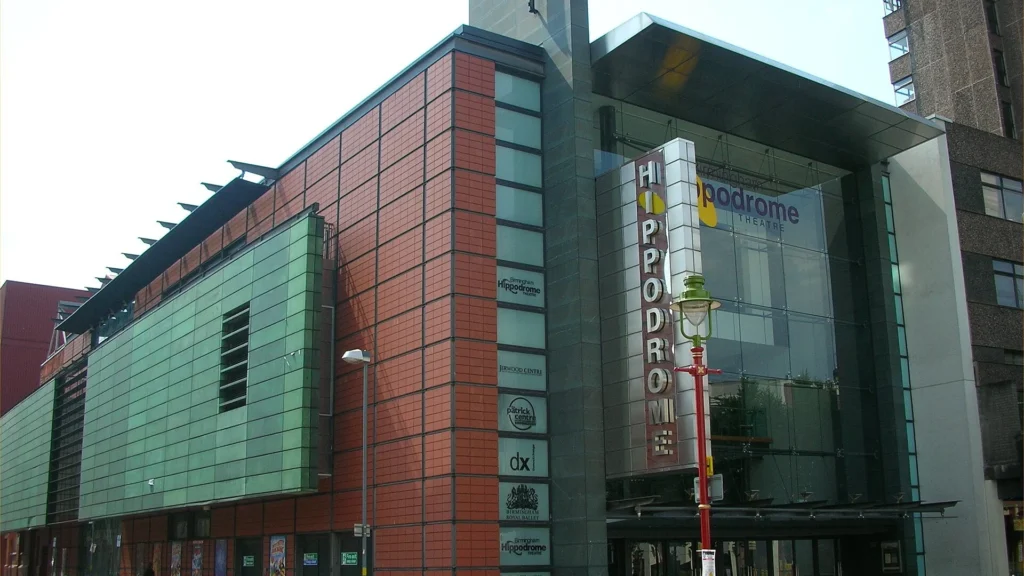
Local councils are the biggest public funders of the arts in Britain, and they are spending less than half what they did 15 years ago.
The numbers
Analysis by the Autonomy Institute for the performers' union Equity found that council spending on arts and entertainment fell from £1.19bn in 2010 to £539m in 2024/25. That is a 55% fall, before inflation is taken into account. In real terms the cut is deeper. The figures cover theatres, live performance, museums and galleries across 317 authorities in England, 32 in Scotland and 22 in Wales.
Why councils cut
Arts funding is discretionary. Councils must by law provide social care, child protection and waste collection. They do not have to fund a theatre. When budgets shrink, culture goes first. Birmingham is the extreme case: it effectively declared itself bankrupt in 2023, and The Stage lists Birmingham Symphony Hall among venues threatened by local cuts.
Who loses
Commercial theatre in big cities survives on ticket prices. Subsidised venues are what keep tickets cheap, run youth theatre, tour small towns and offer pay-what-you-can nights. When subsidy goes, prices rise or venues close. Younger, poorer and rural audiences feel it first. Equity's general secretary Paul W Fleming said Britain is "watching universal access to arts and entertainment disappear".
What is being proposed
Equity wants the UK government to commit to arts spending reaching 0.5% of GDP, the European average, with extra money routed to councils. The government's own creative industries strategy, launched in January, puts its money into research, technology and commercial growth, not local subsidy.
The counter-argument
Some councils argue culture can be funded differently: through Arts Council England, philanthropy or commercial partners. Birmingham's culture lead made exactly that case this week on Station Street. The weakness is that Arts Council money is spread thin, and philanthropy follows big institutions in big cities. Small venues in small towns rarely attract either.
Sources
- WhatsOnStage, "Local council arts spending is less than half of what it was in 2010", 20 Mar 2026, https://www.whatsonstage.com/news/local-council-arts-spending-is-less-than-half-of-what-it-was-in-2010_1715844 (accessed 15 Nov 2026)
- LocalGov, "Council cuts raise concerns over arts access", 23 Mar 2026, https://www.localgov.co.uk/Council-cuts-raise-concerns-over-arts-access/64082 (accessed 15 Nov 2026)
- The Stage, "'Emergency action needed': government urged to intervene over local arts cuts", https://thestage.co.uk/news/emergency-action-needed-government-urged-to-intervene-over-local-arts-cuts (accessed 15 Nov 2026)
- UKRI, creative industries strategy launch, 20 Jan 2026, https://www.ukri.org/news/uk-research-and-innovation-launches-creative-industries-strategy (accessed 15 Nov 2026)