
Two Inches of Fresh Air and a Fire Alarm With Trust Issues
Welcome to student halls
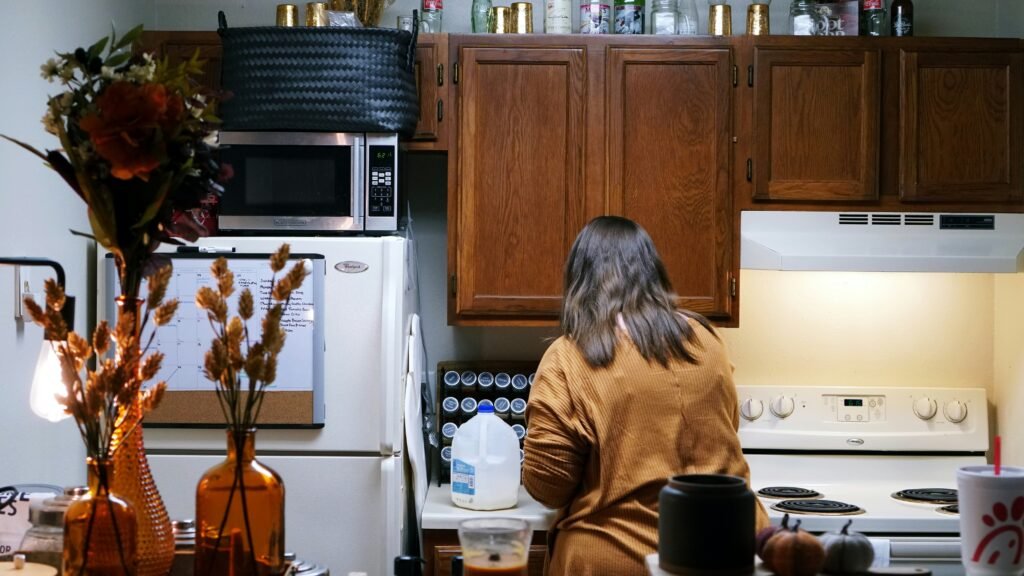
If you’ve ever cooked dinner in fear of evacuating the entire building, tried to bargain with a window that refuses to open, or accidentally started a biological apocalypse in your kitchen bin, this one is for you.
The greatest mystery of student accommodation in Birmingham: why do our windows only open about the width of a credit card?
You walk into your room, unpack your bags, feel excited about your new independence, and go to open the window for some fresh air. Then you hit a metal catch that lets it budge about two inches. Apparently that tiny gap is meant to ventilate a whole bedroom with a living, breathing human in it, studying and radiating body heat 24 hours a day. It’s freezing outside, the heaters have just kicked on, and my room somehow feels like a mildly disappointed greenhouse. No extractor fan, no cross-breeze, no mercy. Just you, your thoughts, and the same pocket of air you’ve been breathing since Tuesday.
Scroll through the accommodation app or any student group chat and you’ll see I’m not the only one. People have been complaining about this non-stop, and what really worries everyone is what happens when the weather warms up.
“In the winter you can somehow survive because it’s cold outside, even if the air feels stale,” says Nazia (name changed), a second-year BSc Finance and Investment student living in halls near campus. “But in the summer, without a fan, an exhaust, or windows that actually open properly, your room literally turns into an oven. It feels like living inside a barbecue. There’s nowhere for the heat to go, and it’s completely chaotic.”
She gets why the window restrictors are there. They’re for safety. But nobody seems to have thought about what replaces the airflow. “You understand why safety rules exist, sure,” Nazia says, “but forcing students to live with zero proper ventilation and no real solution when it gets unbearably hot just doesn’t make sense.”
When I brought it up with friends across the nearby blocks, everyone had a story, and everyone looked equally exhausted by it.
“You feel like you’re constantly fighting your own room just to get oxygen,” one student told me. Another laughed: “We’re paying serious rent, and somehow fresh air feels like a paid add-on that nobody included in the contract.” People keep raising it. Nothing gets fixed.
And if you think the communal kitchen brings relief, think again.
Whoever designed student kitchens clearly believed the cooker hood above the hob has magical powers. It doesn’t. It covers the exact square footage of one frying pan. If you dare to sauté garlic, make toast with ambition, or cook anything that produces even a whisper of steam, you’re in a psychological thriller with the smoke detector on the ceiling. There doesn’t even need to be a fire. A slightly enthusiastic onion is enough to set off the alarm, send 200 students out into the cold in their pyjamas, and ruin everyone’s evening.
The other day I was making a proper North Indian meal. Nothing fancy, just a basic tadka. The second the onions hit the hot oil, a cloud of smoke went straight up to the ceiling. With nowhere for it to go, everyone panicked. Within seconds my friends were standing round the kitchen waving their jackets like giant hand fans at the smoke detector, trying to physically wrestle the air away before the alarm went off.
Watching grown adults do cardio with winter coats to save a pan of onions was hilarious. Then I found out it isn’t just us. The international students I spoke to said the “jacket dance” is basically a weekly rite of passage for anyone who cooks real food from scratch. “You can’t even temper spices without someone standing guard by the alarm like a bodyguard,” one of them joked. “It shouldn’t take teamwork just to fry onions.”
Here’s the other thing about living in a sealed box: every tiny domestic mistake becomes a horror film.
I learned this the hard way a few days ago. I made banana kofta around 11pm, threw the boiled banana peels in the kitchen bin, and told myself I’d take the bag down straight away. It was late, so I forgot. The next morning I was rushing out, so I forgot again. The day after that it was my flatmate’s turn to empty the rubbish, and the second she lifted the lid it was like opening Pandora’s box. Thousands of tiny fruit flies (honestly, it felt like millions) burst out of the bin in a dark cloud and landed on the walls, the fridge, the table, the chairs, the utensils, everything. It was disgusting. And once they move in, getting rid of them is like negotiating peace with an enemy you can’t even swat.
Some of my frustration is aimed squarely at how these buildings are set up. Paying student rent to feel suffocated in your own room, or scared to fry an onion, is a bit ridiculous. Fresh air shouldn’t be a luxury upgrade.
But to be fair, when the building won’t give us ventilation, we can’t be our own worst enemies either.
In a flat with no extractor fan, leaving banana peels, veg scraps, leftovers or empty milk cartons in the indoor bin for two days is basically sending engraved invitations to every fly in the West Midlands. So, flatmate intervention time. This is what every shared kitchen needs.
Take food waste out the same day. Don’t tell yourself you’ll do it in the morning (trust me on this one). The outside bins are a short walk downstairs, so take the peels and leftovers down that evening, or better, right after you finish cooking.
Stop feeding the sink. Scrape leftover noodles, rice or veg into the plughole and it will clog, it will smell, and it will attract things with far too many legs. Scrape your plate into the bin, wash up, and rinse the sink when you’re done. Basic decency, people.
Wipe as you go, and split the chores like adults. Sauce on the hob and grease on the walls don’t evaporate overnight. Give the stove and counter a quick wipe after cooking, and divide the bigger jobs fairly. Someone sweeps and vacuums, someone mops with proper floor cleaner and bleach, so one person isn’t stuck as the unpaid full-time cleaner while everyone else vanishes into the flat group chat.
Student accommodation should feel like a home where you can actually breathe, cook a normal meal without an evacuation, and walk into the kitchen without holding your breath. Until accommodation providers rethink how much air a human being needs, the least we can do is keep the bins empty, the sinks clear, and our jackets ready for dinner time.