
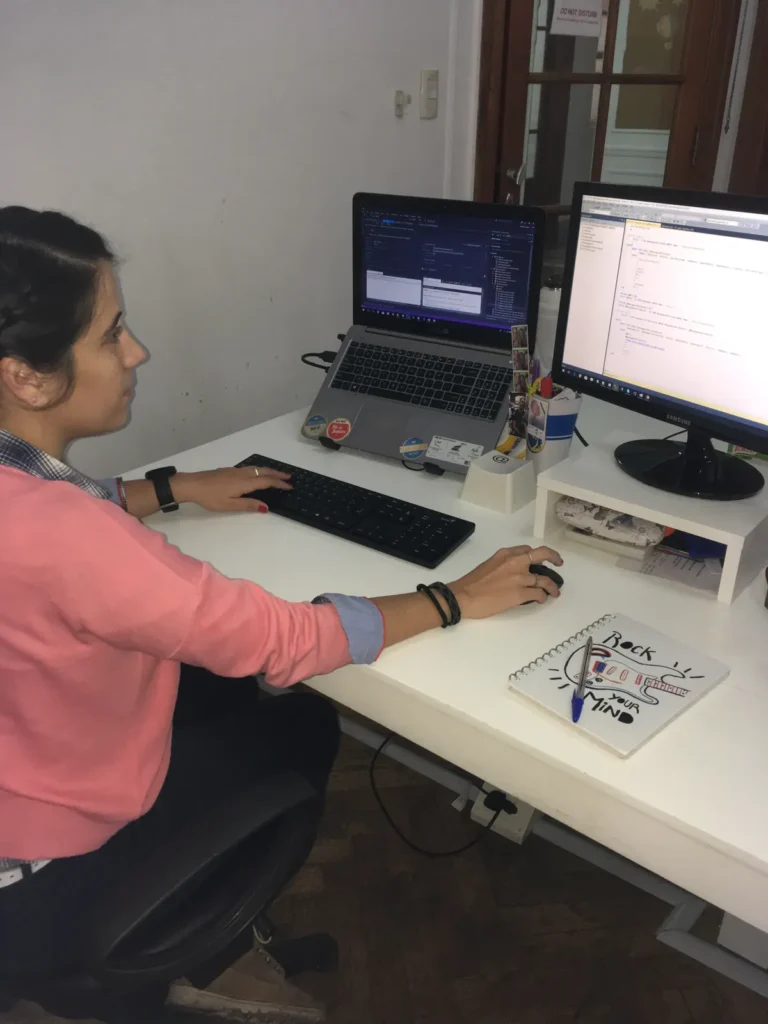
Women make up 22% of the UK's IT workforce, about 433,000 people in 2025. The government's latest package to change that, announced on 29 October, is mostly voluntary.
What was announced
The Department for Culture, Media and Sport and the business department set out the measures the day after the Budget, alongside Digital Inclusion Minister Vicky Foxcroft.
New in the package:
- The Tech Forward Standard, a voluntary workplace-culture standard, which could include safe routes for reporting harassment. Twenty-nine employers including BT, Revolut and Sage have signed up as ambassadors.
- The Inclusive Investment Standard, a voluntary standard for investors, still being developed. It could track women-led businesses from pitch to funding decision. Eleven investors including Balderton Capital and Octopus Ventures are ambassadors.
- A scale-up programme for women founders, launching in 2027, with workshops, networking and introductions to investors.
- The TechFirst Girls Competition, with registration now open.
Already under way: the TechFirst Women's Programme, which aims to place 300 women into paid tech roles of at least six months by March 2027, and the Women in Tech Taskforce, which meets again this month.
The case for it
The government's figures are striking. Only 2p of every £1 of UK venture capital goes to businesses founded by women. It estimates that closing participation gaps could add up to £4bn a year to GDP. In its call for evidence, 74% of respondents said better workplace culture would help women progress. The Women in Tech Envoy, Anne-Marie Imafidon, said many women had reported harassment and discrimination.
The case for scepticism
Both standards are voluntary, and neither has published criteria yet. Three hundred placements is small against 433,000 women already in the sector. Announced is not the same as implemented: the standards are "due in the coming months" and the founders' programme starts in 2027.
What to watch
How many employers sign the Tech Forward Standard once its terms are published, and whether signatories report data on pay and promotion. Without reporting, a standard is a badge.
Sources
- GOV.UK, "Government and industry to take on investment bias and workplace culture to support more women in tech", 29 Oct 2026, https://gov.uk/government/news/government-and-industry-to-take-on-investment-bias-and-workplace-culture-to-support-more-women-in-tech (accessed 15 Nov 2026)
- techUK, "techUK becomes ambassador for government initiative...", 29 Oct 2026, https://www.techuk.org/insights/news/techuk-becomes-ambassador-for-government-initiative-to-improve-workplace-culture-to-support-more-women-in-tech (accessed 15 Nov 2026)
- GOV.UK, "Government breaks down barriers to help more women and girls enter the tech sector", 12 Mar 2026 (300 placements), https://www.gov.uk/government/news/government-breaks-down-barriers-to-help-more-women-and-girls-enter-the-tech-sector (accessed 15 Nov 2026)
- HR Review, TechFirst Women's Programme, https://hrreview.co.uk/spotlight/government-launches-tech-jobs-drive-to-bring-more-women-into-the-sector/386897 (accessed 15 Nov 2026)