
Can You Really Die of a Broken Heart?
Can grief really change the shape of your heart? Ashlyn Leandra Almeida explores broken heart syndrome and the connection between mind and body.

We talk about grief weighing on our hearts, about heartache leaving its mark, about losses that leave us feeling shattered. But what if the heart could do more than break metaphorically? What if, under the weight of intense emotion, it could actually change shape?
It can. Medicine has a name for it: Takotsubo cardiomyopathy, better known as broken heart syndrome. A sudden flood of stress hormones, often after devastating news or an intensely stressful event, temporarily stuns the heart muscle. The left ventricle balloons at the bottom and narrows at the neck. Japanese doctors who described the condition in 1990 thought it looked like a takotsubo, a traditional pot used to trap octopuses, and the name stuck.
It looks like a heart attack
The symptoms can be almost identical to a heart attack: chest pain, breathlessness, dizziness. The difference only shows up in hospital, where scans reveal the heart’s arteries aren’t blocked. That’s exactly why nobody should assume chest pain is “just stress.” If you or someone with you has these symptoms, call 999.
So, can it kill you?
Rarely, but yes. Around 5% of people admitted to hospital with it don’t survive, usually because the weakened heart can’t pump enough blood or develops dangerous rhythms. Men get it far less often, but when they do, they die at roughly twice the rate of women, partly because their episodes are more often triggered by physical stress such as surgery or serious illness.
The reassuring part
Most people recover fully. Unlike most heart disease, Takotsubo is usually temporary: about 95% of patients regain normal heart function within a few weeks. People whose trigger was emotional tend to do particularly well.
Who gets it?
Around nine in ten cases are women, mostly after menopause. Researchers think falling oestrogen plays a part, since oestrogen appears to help protect the heart and its small blood vessels from stress hormones. And intense stress alone isn’t enough. Most people go through grief and shock without ever developing it, which suggests some are more susceptible than others.
Mind and body aren’t separate
For a long time we treated the heart as a pump and emotions as something else entirely. But the brain and heart are in constant conversation through the nervous system, and what happens in one shows up in the other. Takotsubo is one of the most striking examples, but chronic stress has measurable effects elsewhere too, from disrupted sleep and appetite to a weakened immune system. Studies in mice have even linked acute stress to hair losing its colour.
Perhaps that’s the most human thing about the body: it doesn’t neatly separate what we feel from what we physically go through. The heart is the organ that keeps us alive, but the emotions we carry are part of what makes us who we are, and they deserve the same care.
If you’re struggling
You don’t need to wait until something feels physical to ask for help.
Aston University Counselling & Wellbeing: free and confidential for Aston students. Book via Aston University.
Birmingham Mind helpline: 0121 262 3555 (freephone 0800 915 9292), 9am–11pm every day. birminghammind.org
Birmingham Healthy Minds: free NHS talking therapies for anyone 16+ registered with a Birmingham GP. Refer yourself, no GP appointment needed. 0121 301 2525. bsmhft.nhs.uk/our-services/birmingham-healthy-minds
Mind (national): 0300 123 3393. mind.org.uk
Samaritans: 116 123, free, 24/7.
Not sure where to start? Message us and we’ll help point you in the right direction.
About the author
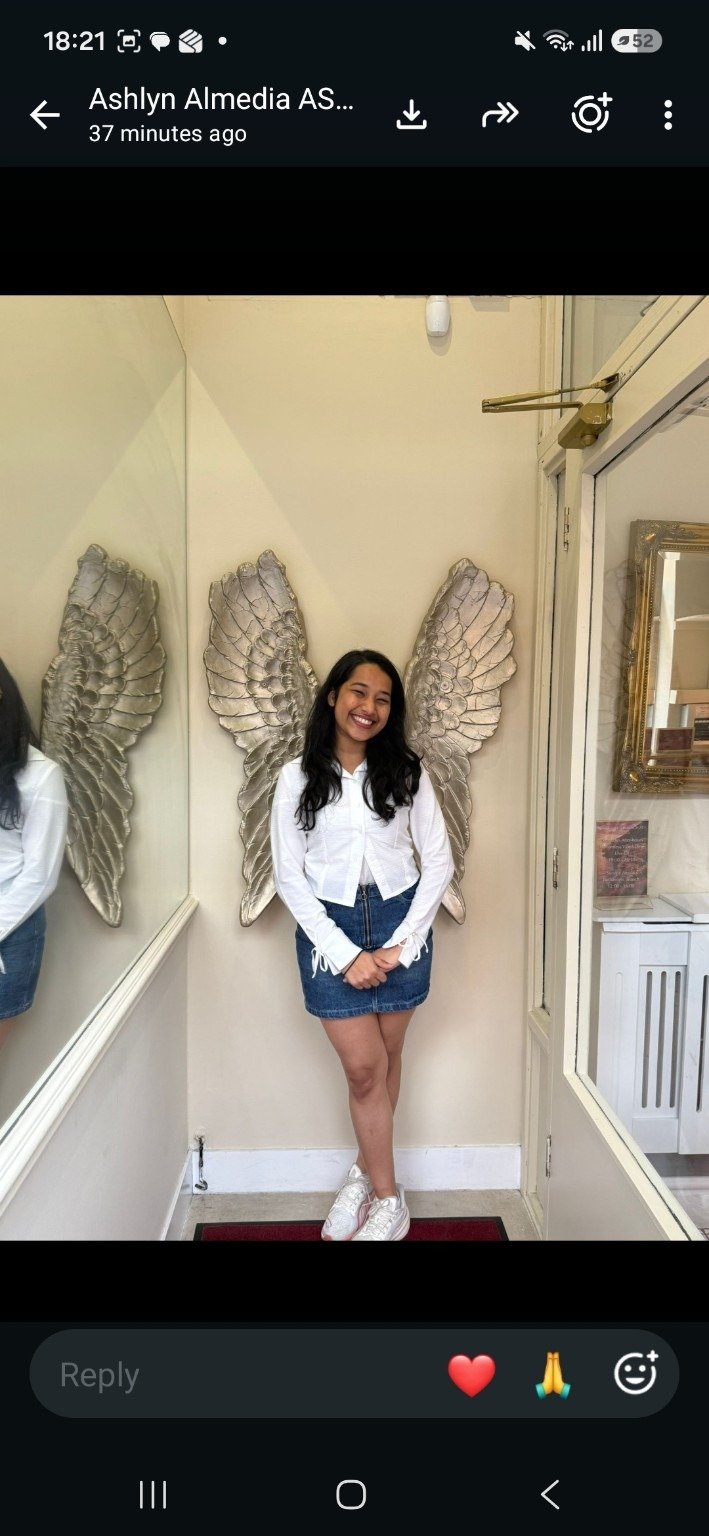
Ashlyn Leandra Almeida
Ashlyn Leandra Almeida is a second-year Physician Associate student at Aston University with a background in Cardiovascular Technology. She writes about cardiology and health for The Aston Goose, combining her clinical interests with her love of writing.
Sources & further reading
- British Heart Foundation: Takotsubo cardiomyopathy
- Heart Failure Association: position statement on Takotsubo syndrome
- Journal of the American Heart Association: mortality and complications in hospitalised patients (2025)
- NCBI Bookshelf: Pathophysiology of Takotsubo Syndrome
- Nature: acute stress and hair greying in mice (2020)