
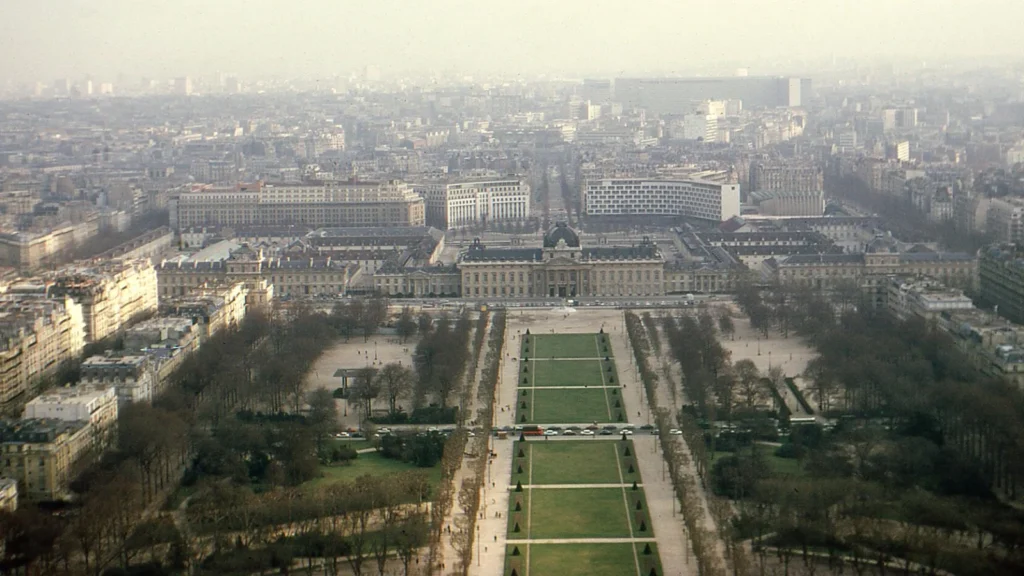
UNESCO was founded on a single idea. Its constitution says that since wars begin in the minds of people, it is in the minds of people that the defences of peace must be built. That constitution came into force on 4 November 1946. This month the organisation turned 80.
What UNESCO actually does
Most people know UNESCO for the World Heritage List. After its July 2026 session, the list covers 1,273 sites in 173 countries. The designation brings tourism and some protection, though no direct funding. UNESCO also leads UN work on education, sets standards on ethics in science and AI, and protects journalists and press freedom. It has 194 member states and 12 associate members.
The heritage work, close to home
UNESCO's programmes reach places that rarely make British news. Nigeria, for example, had three sites selected this year for UNESCO's World Heritage Volunteers programme: the Sukur Cultural Landscape, Gashaka-Gumti National Park and the Ancient Kano City Wall. Nigeria is pushing for the last two to be added to the World Heritage List itself.
The American question
On 31 December, the United States leaves UNESCO for the third time. It left in 1984, under Ronald Reagan. It left in 2017, under Donald Trump's first administration, after UNESCO admitted Palestine as a member in 2011. It rejoined in 2023, and announced last July that it would leave again. The State Department cited UNESCO's admission of Palestine and what it called "divisive social and cultural causes".
Can UNESCO cope?
Better than before. When the US paid in full, it provided about 22% of UNESCO's budget. Today it provides about 8%, because other members and private donors have increased their contributions. UNESCO says voluntary contributions have doubled since 2018. The loss is real, but it is not existential.
Why it matters
Multilateral bodies are judged on whether they survive their largest members leaving. UNESCO has done so twice. Its 80th year tests whether it can keep its reach in heritage, education and science without the US, at a time when its member states are also debating reform of the organisation through a process called UNESCO80.
Sources
- Xinhua, 80th anniversary commentary, 4 Nov 2026, https://www.news.cn/world/20261104/988edb123103411e9e25a2f205b6709c/c.html (accessed 15 Nov 2026)
- R.pl, "Konstytucja UNESCO kończy 80 lat", 4 Nov 2026, https://r.pl/news/rocznica-konstytucji-unesco (accessed 15 Nov 2026)
- Vision IAS (194 members, 12 associates; withdrawal history), https://www.visionias.in/blog/current-affairs/us-withdrawal-from-unesco-organisation-for-third-time (accessed 15 Nov 2026)
- China Daily, US withdrawal and budget share, https://epaper.chinadaily.com.cn/a/202507/24/WS68816d7ea310af1daa8254ca.html (accessed 15 Nov 2026)
- UN News, "UN laments US withdrawal", Jul 2025, https://news.un.org/en/story/2025/07/1165466 (accessed 15 Nov 2026)
- Leadership (Nigeria), World Heritage Volunteers 2026, https://leadership.ng/?p=664188 (accessed 15 Nov 2026)
- Spanish Ministry of Education, UNESCO80 reform process, https://www.educacionfpydeportes.gob.es/consejeria-ooii/unesco/reforma-unesco80.html (accessed 15 Nov 2026)