The balti is Birmingham's. It isn't from Lahore, Mirpur or Delhi. It was developed by the city's Pakistani community in the mid-1970s, cooked fast in a flat-bottomed steel wok and eaten straight out of it. (Time Out) The bowl is the dish. That is what makes it Brummie.
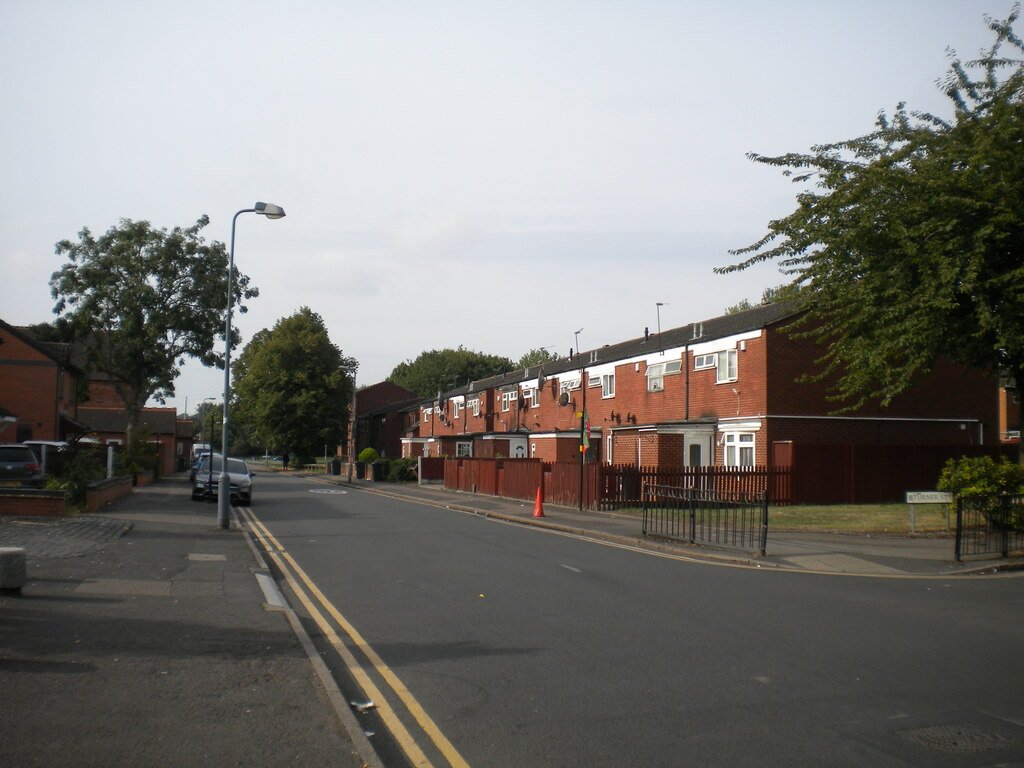
The Triangle itself is the patch of Sparkbrook and Balsall Heath bounded by Ladypool Road, Stratford Road and Stoney Lane. (Wikipedia)
Who invented it? Several restaurants have claimed to have introduced it. Adil's on Stoney Lane claimed the title from 1977, when Mohammed Arif took over the restaurant. The Birmingham Post found it had in fact opened a year earlier under a previous owner. Imran's on Ladypool Road has its own claim. (Birmingham Post) Adil's closed in 2021, and the debate lost its oldest witness. (Time Out)
The numbers tell the real story. Time Out counts more than 30 balti houses in the 1990s. Secret Birmingham puts the peak above 40. Either way, the count today is a handful. (Time Out, Secret Birmingham) The number of traditional balti houses has fallen substantially from its peak.
Where to go:
- Shababs, 163–165 Ladypool Road, B12 8LQ. Opened in 1987. Zafar Hussein's family remortgaged their home to fund it. It is now the Triangle's standard-bearer. Order a family naan, the kind that hangs off the table. (Time Out, SquareMeal)
- Royal Watan, 602–604 Pershore Road, B29 7HQ. Going since 1984, run by two brothers: one cooks, one runs the room. Specials sit around £11–13. (Time Out, Best Student Halls)
- Shahi Nan, named by Secret Birmingham as one of the few originals still going. (Secret Birmingham)
How to do it properly. Go in a group, order the naan big and share everything. Check each restaurant's drinks policy before you go.
The city has been trying since 2009 to protect the Birmingham Balti the way Champagne and the Cornish pasty are protected. (SBS) Check current menus and opening times directly with the restaurant.